Ivy Child’s Anniversary Celebration

What is Ivy Child’s Anniversary?

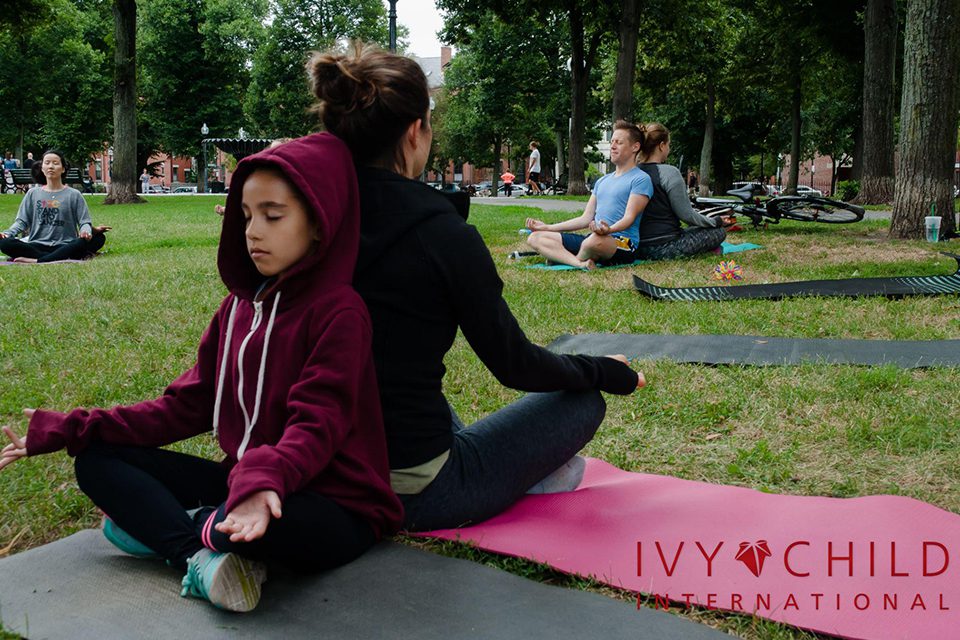
  • Ivy Child’s Anniversary is an annual celebration marking the anniversary of Ivy Child International, dedicated to promoting mindfulness, multicultural education, and wellness among children and communities.

When is Ivy Child’s Anniversary?

  • Ivy Child’s Anniversary is celebrated on or around July 21st every year.

Why do we celebrate Ivy Child’s Anniversary?

  • We celebrate Ivy Child’s Anniversary to honor the journey, dedication and commitment to improving the lives of children and communities through mindfulness and wellness practices. The Anniversary includes an array of activities, reflections on the organization’s journey, and a look ahead to future endeavors.
Ivy ChildIvy Child’s Anniversary Celebration

International Yoga Day

What is it?

International Yoga Day, also known as the International Day of Yoga, is a global event that celebrates the ancient practice of yoga. The day promotes physical, mental, and spiritual well-being through yoga.

When is it?

International Yoga Day is celebrated on June 21st every year by the United Nations.

Why do we celebrate it?

We celebrate International Yoga Day to raise awareness worldwide about the many benefits of practicing yoga. Yoga improves physical health, mental clarity, emotional balance, and spiritual growth. It promotes holistic well-being and helps individuals find inner peace and harmony. The day aims to encourage more people to incorporate yoga into their daily routines for a healthier and more mindful lifestyle.

Ivy ChildInternational Yoga Day

India Day

What is India Day?

India day, also known as “Indian Independence Day,” commemorates the nation’s independence from the British in 1947.

When is India Day?

India Day is observed every year on August 15.

Why do we celebrate India Day?

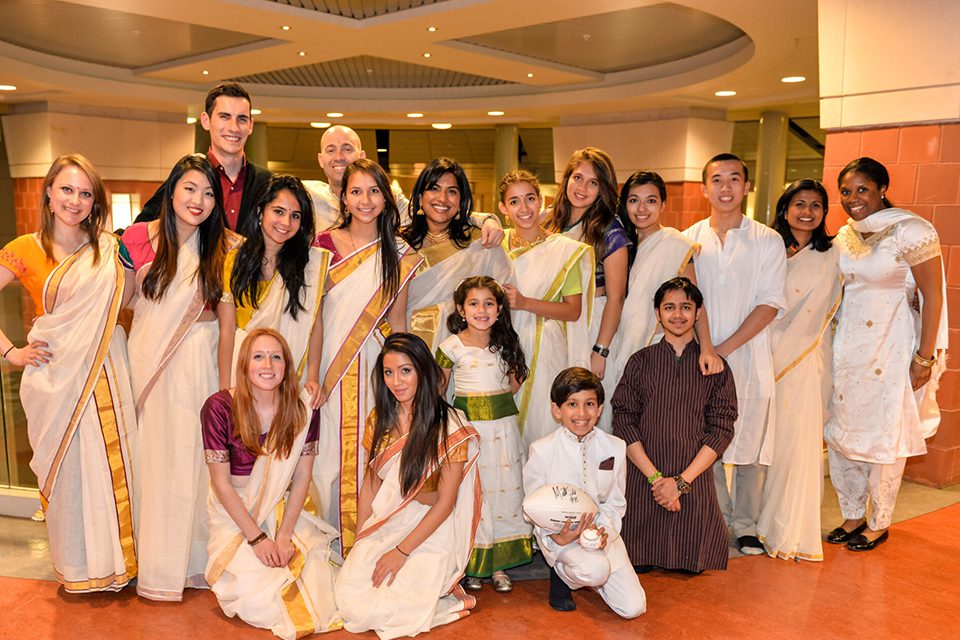
To celebrate India’s birthday and honor its rich contributions of culture, heritage, traditions, languages, cuisine, and the arts.

How can I partner to celebrate India Day?

To partner with Ivy Child for the India Day Celebration, please complete our Partnership Form.

How can I teach my child about India Day?

Read! Learn! Listen! Sing! Dance! Cook and Create! There are so many ways to learn and celebrate India. Please stay tuned for our guide filled with helpful ideas for How to Celebrate India Day with Kids.

For more information or to customize a program for your organization, contact
programs@ivychild.org.

Partner With Us
Ivy ChildIndia Day

Global Wellness Day

What is Global Wellness Day?

Global Wellness Day is a special day dedicated to living well, both physically and mentally. It’s an opportunity to raise awareness about the importance of wellness and to encourage individuals to adopt healthier lifestyles.

When is Global Wellness Day?

Global Wellness Day is celebrated annually on the second Saturday of June. According to the United Nations, this day focuses on promoting a healthier and more balanced life.

Why do we celebrate Global Wellness Day?

Global Wellness Day is celebrated to raise awareness of the importance of living well. It encourages people to focus on their physical and mental health, and to make positive changes in their lives. The day serves as a reminder that wellness is a vital part of a happy and fulfilling life. Activities such as wellness workshops, fitness classes, and mindfulness sessions are organized to help individuals start their journey towards a healthier lifestyle.

Ivy ChildGlobal Wellness Day

Henna as Mindfulness: A Creative Practice for Calm and Connection

As featured on mindful.org

In this practice, mindful teacher Rose Felix Cratsley invites kids and caregivers to explore henna as an art form and as a gentle mindfulness activity that nurtures stillness, creativity, and cultural appreciation.

As featured on mindful.org

A Mindful Ritual at Your Fingertips

Children are naturally drawn to creative expression. The process of making and applying henna slows us down, encouraging presence, sensory awareness, and loving connection through touch and design.

Rooted in South Asian, Middle Eastern, and African cultures, henna (or mehndi) is a sacred ritual of celebration, storytelling, and connection. This practice invites us into mindful moments: as we mix the paste, trace the lines, feel the coolness on our skin, and observe our thoughts. Whether it’s a quiet moment shared between caregiver and child, or at a community gathering rich with color and conversation, henna becomes a living reminder: we are here, together, in this moment.

Henna Mindfulness Practice

1. Begin with Breath

Invite your child or group to take three slow, deep breaths. Feel the belly rise and fall. Notice how your body begins to soften. You might say: “We are here, we are calm, we are ready to create together.”

2. Mix with Intention

Mix 2 tablespoons of natural henna powder with lemon juice until a smooth paste forms. Optionally add a drop of essential oil and a pinch of sugar. Stir slowly and notice the texture and scent. As you mix, set a quiet intention: peace, joy, strength—whatever quality you want to hold in your design.

3. Trace the Moment

Before applying henna on the skin, practice simple shapes on paper. Spirals, dots, leaves, hearts—anything your child imagines. Encourage slowing down: 

  • How does it feel to trace that line?
  • What happens to your breath as you move your hand?

4. Apply with Care

Using a cone or small brush, apply a simple design to the hand or wrist. Notice the sensation of the cool paste, the stillness of the body, and the breath anchoring the experience.

*Caregivers can gently apply henna to children’s hands, offering this as a moment of love, bonding, and grounding.

5. Rest and Reflect

Once the design is complete, let it dry naturally. Use this time for quiet reflection or journaling. Invite conversation:

  • What story does your henna design tell?
  • How did it feel to go slowly and focus?
  • What do you want to remember and cherish from this moment?

6. Close with Gratitude and intention

As the henna sets and your breath softens, invite a final moment of stillness. You might say together:

“We are present. We are creative. We are calm. We welcome peace.”

Let these words settle into your heart, mind, and body, like the design resting on your skin. This simple affirmation becomes a living mantra, carrying the essence of the practice forward: grounded in mindfulness, rich with cultural meaning, and full of possibility.

While henna fades in time, the peace we create through these practices becomes cherished memories.

Its Significance

Henna, as a mindfulness practice, invites children into their senses, their heritage, their bodies, and their relationships with care. For caregivers, it’s an opportunity to share calm and culture in one breath.

Rooted in tradition and adaptable for all ages, this ritual offers connection across generations—where stories, symbols, and emotions can live on the skin and in the heart.


Ivy ChildHenna as Mindfulness: A Creative Practice for Calm and Connection

Mindful Marble Art: A Creative & Sensory Practice for Kids

As featured on mindful.org

This marble-painting activity activates all the senses and lets you enjoy a mindful moment while making art with your little ones.
Mindfulness isn’t just about stillness—it can be a playful, swirling, and colorful experience. Mindful marble art transforms a simple creative activity into a sensory-rich moment of presence, helping children slow down, focus, and express themselves.

Through gentle movement, breath awareness, and sensory exploration, this practice fosters patience, emotional regulation, and creativity—all while making art! See what it can look like. The sensation of rolling marbles, the vibrant blending of colors, and the rhythmic tilting of the tray help little ones engage their senses and cultivate mindful awareness.

Benefits of Making Mindful Marble Art

  • Encourages patience: Children practice slowing down and guiding movement with care.
  • Engages the senses: Touch, sight, and motion deepen awareness of the present moment.
  • Strengthens breath-body connection: Pairing breath with movement supports self-regulation.
  • Fosters creativity & self-expression: Encourages open-ended exploration and focus.

What You’ll Need

  • A shallow tray or box (a baking pan or shoebox lid works well)
  • A sheet of paper (cut to fit inside the tray)
  • Non-toxic, washable paint in 2-3 colors
  • Marbles or small rolling objects (ping pong balls, beads, or crumpled foil work too!)
  • A damp cloth or wipes for easy cleanup

How to Do Mindful Marble Art

1. Set the Space

Begin by creating a calm and inviting atmosphere. Place materials in front of you and your child. Before starting, take a deep breath together:

  • Breathe in slowly through your nose (as if smelling a flower).
  • Exhale gently through your mouth (as if blowing out a candle).

Repeat this breath 2-3 times.
Ask your child, “How do you feel right now?”

2. Sensory Preparation

Invite your child to explore the marbles before painting:

  • What do they feel like? Smooth? Cool? Round?
  • Can you roll them between your fingers without dropping them?

Dip a marble into the paint and ask:

  • What does the paint feel like? Sticky? Slippery? Gooey?
  • What colors do you see? Are they mixing together?

3. Rolling with Awareness

Place the marbles onto the paper in the tray. Guide your child to hold the edges, feeling its weight.

Encourage mindful movement:

  • As they tilt the tray forward—breathe in.
  • As they tilt it back—breathe out.

Mindful questions to keep attention focused:

  • What happens when you move the tray fast? What about slow?
  • Do the marbles ever get ‘stuck’? What can we do to help them move?
  • How do the colors mix together?

If attention drifts, take a pause-and-wiggle break, shaking out hands before resuming.

4. Reflect and Appreciate

Once finished, pause to admire the marble art. Ask:

  • What do you see in the patterns? (Clouds? Rivers? Something new?)
  • How did it feel to roll the marbles?
Ivy ChildMindful Marble Art: A Creative & Sensory Practice for Kids

Calming Hands A Mindfulness Practice for Kids

Helping Children Find Calm at Their Fingertips

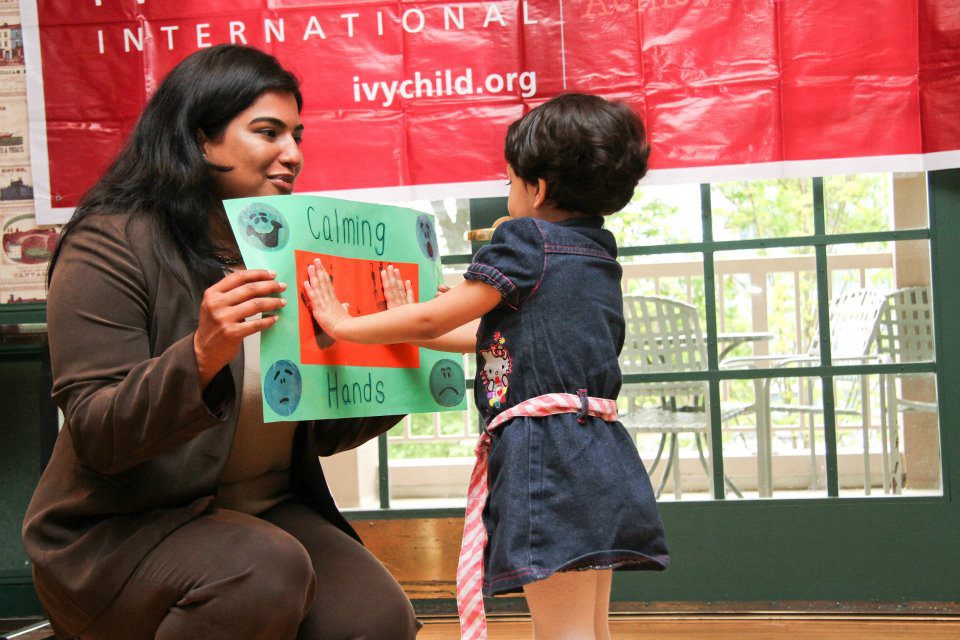
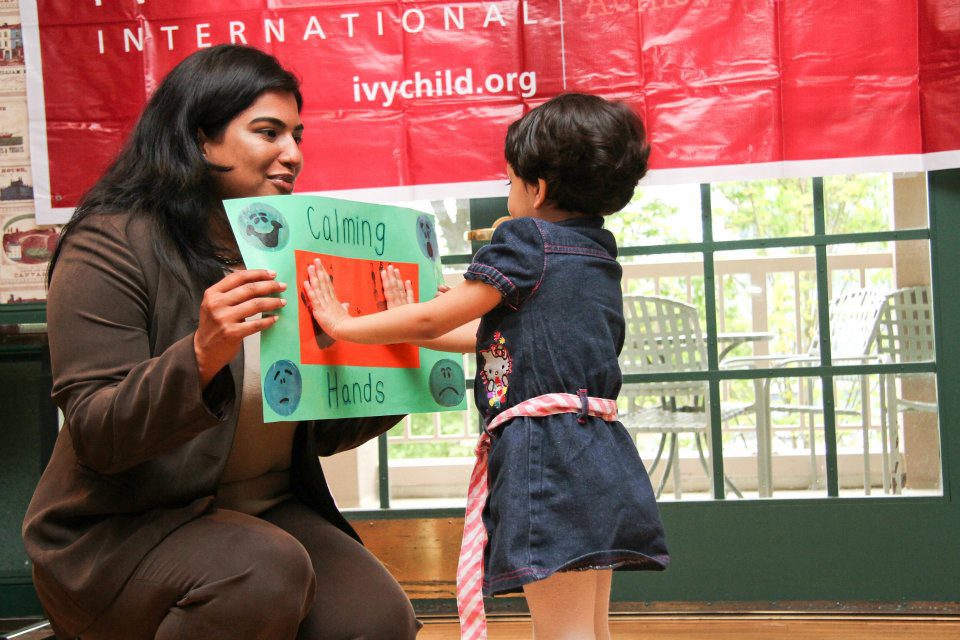
When children feel anxious, overwhelmed, or upset, mindfulness practices like Calming Hands can help them feel safe, grounded, and calm. This simple yet powerful exercise, created by Rose Felix Cratsley, Founder & CEO of Ivy Child International, combines mindful breathing, counting, and handprint art to soothe strong emotions and build emotional resilience.

Mindfulness can be fun, simple, and hands-on—literally! Calming Hands invites children to explore breathing, focus, and creativity through the tactile sensation of their own hands. It’s perfect for caregivers and educators who want to help kids find calm, focus, and emotional balance in a playful and interactive way.

How to Practice Calming Hands

What You’ll Need:

  • Paper (large enough for handprints)
  • Non-toxic markers, crayons, or paint
  • A comfortable and quiet space

Step-by-Step Guide:

  1. Make the Handprint
    Invite your child to trace their hand onto a piece of paper or create a painted handprint. Let them customize it and make it their own: choosing colors or decorating.
  2. Number the Fingers
    Together, write the numbers 1 to 10 on the fingers, starting at the thumb and moving outward.
  3. Begin Mindful Breathing
    Encourage your child to place their real hands on top of their handprints.

    • Start (1): Breathe in deeply, then exhale slowly as you count aloud.
    • Move to the next finger (2): Breathe in deeply, then exhale slowly as you count again.
    • Continue the pattern, breathing in and out for each finger, counting from 1 to 10.
  4. Repeat As Needed
    Encourage your child to take their time and enjoy this exercise, they can trace back through the numbers or start again. Repeating this practice reinforces calmness and focus.

Why It Works

  • Breathing Practice: The finger-by-finger breathing technique teaches kids to inhale and exhale deeply while counting from 1 to 10.
  • Self-Reflection: Encourages kids to observe how their hands and bodies feel after the practice, reinforcing self-awareness and relaxation.
  • Calm and Creative: By combining art and mindfulness, this practice becomes a lasting tool for emotional regulation and relaxation.

How to Adapt for Kids with Sensory Needs

For children with sensory processing needs, encourage them to explore different textures while practicing Calming Hands. Using soft fabric, smooth stones, or textured paper during the exercise can help them connect more deeply with their senses and enhance the calming effect.

Parental Hack

This practice is most effective when caregivers model the activity alongside children, reinforcing the idea that mindfulness is a family activity and ritual. By practicing together, both kids and parents strengthen their emotional resilience and psychological immune system.

Highlights and Benefits

  • Introduction: Guides children to notice the sensations in their hands and introduces the concept of hands as calming tools.
  • Breathing Practice: Teaches kids to inhale and exhale deeply while counting, promoting relaxation and focus.
  • Reflection: Helps children reflect on how their body feels post-practice, fostering mindfulness and self-awareness.
  • Creative Art: Integrates creativity by making handprints, decorating them, and turning them into visual reminders of calm.

Make Art With Your Handprint

The Calming Hands practice is best paired with an engaging art activity. Children can trace or make handprints, decorate them, and personalize their calming hands. This hands-on activity teaches kids to ease difficult emotions while providing a visual and tactile reminder of the breathing practice. It turns mindfulness into a creative keepsake that kids can return to in stressful moments.

Consider mounting the handprint art on the fridge, bedroom door, or even in the car as a calming tool that everyone can use.

Guided Audio Practice: Use Your Hands to Explore Mindful Breathing

  • Calm and Creative: By combining art and mindfulness, this practice becomes a lasting tool for emotional regulation and relaxation.

How to Adapt for Kids with Sensory Needs

For children with sensory processing needs, encourage them to explore different textures while practicing Calming Hands. For example, using soft fabric, smooth stones, or textured paper during the exercise can help them connect more deeply with their senses and enhance the calming effect of the practice.

Parental Hack

This practice is most effective when caregivers model the activity alongside children, reinforcing the idea that mindfulness is a family activity and ritual. By practicing together, both kids and parents strengthen their emotional resilience and psychological immune system.

Highlights and Benefits

  • Introduction: Guides children to notice the sensations in their hands and introduces the concept of hands as calming tools.
  • Breathing Practice: Teaches kids to inhale and exhale deeply while counting, promoting relaxation and focus.
  • Reflection: Helps children reflect on how their body feels post-practice, fostering mindfulness and self-awareness.
  • Creative Art: Integrates creativity by making handprints, decorating them, and turning them into visual reminders of calm.

Make Art With Your Handprint

The Calming Hands practice is best paired with an engaging art activity. Children can trace or make handprints, decorate them, and personalize their calming hands. This hands-on activity teaches kids to ease difficult emotions while providing a visual and tactile reminder of the breathing practice. It turns mindfulness into a creative keepsake that kids can return to in stressful moments. Consider mounting the handprint art on the fridge, bedroom door, or even in the car as a calming tool that everyone can use.

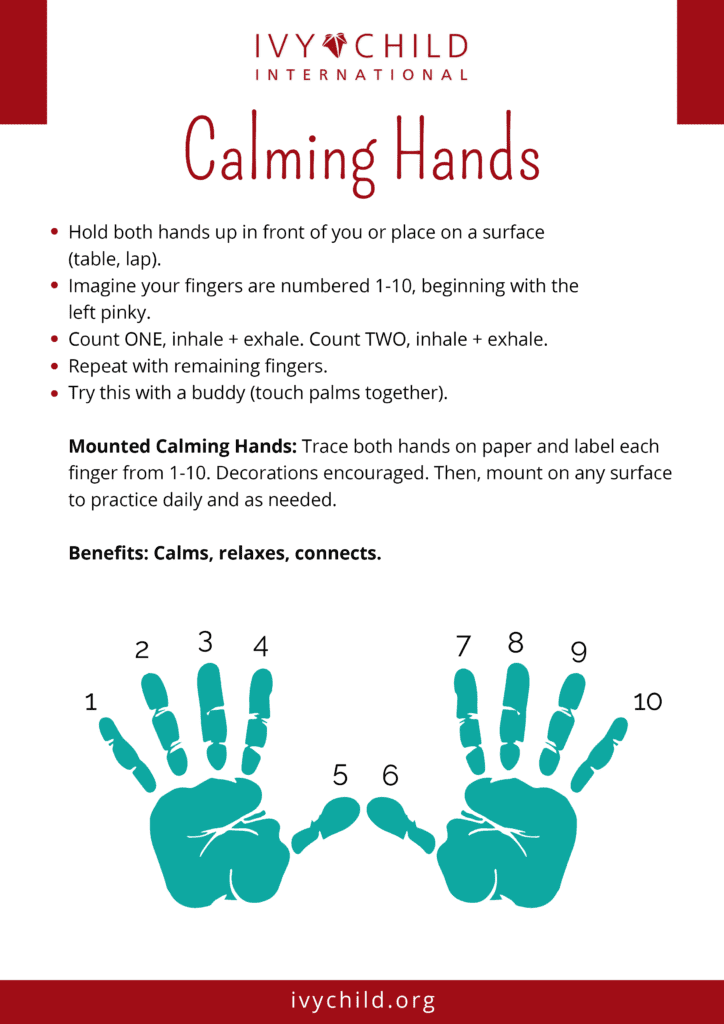
Calming Hands Handout: For Easy Reference

Calming hands exercise; numbered fingers.

Guided Audio Practice: Use Your Hands to Explore Mindful Breathing


Ivy ChildCalming Hands A Mindfulness Practice for Kids

Belonging First Summit 2025

Hosted by Wunderled™ | Featuring Rose Felix Cratsley of Ivy Child International

Free Virtual Event | For Educators, Caregivers & Changemakers

✨ You’re Invited

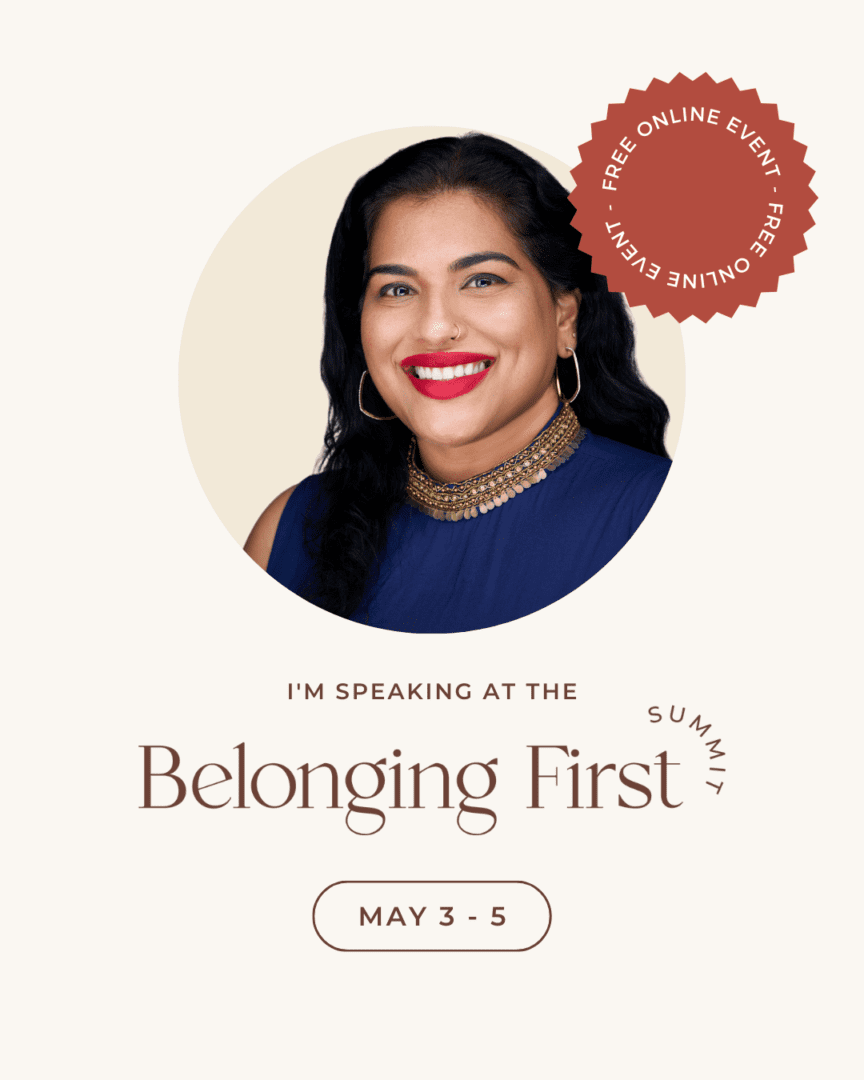
We’re honored to share that Rose Felix Cratsley, Founder of Ivy Child International, is a featured speaker at the upcoming Belonging First Summit, a free global event hosted by Wunderled™.

This year’s summit brings together thousands of early childhood educators and leaders who are reimagining classrooms rooted in inclusion, equity, play, and collective care.

🎤 Rose’s Session

“Rooted in Joy and Justice: Exploring Mindfulness, Collective Care, and Advocacy”

Rose’s session explores how mindfulness, social-emotional development, and collective care can serve as catalysts for advocacy and systems change. You’ll walk away with insights and strategies for building classroom communities where every child feels safe, seen, and supported.

📅 Summit Details

Event Dates: May 3-5, 2025

🔗 Register Now

Click the link below to sign up and access the summit) for FREE:

👉 Register for the Belonging First Summit

Ivy ChildBelonging First Summit 2025

Calming Hands: A Mindfulness Practice for Kids to Ease Difficult Emotions

We’re honored to share that Ivy Child International’s Calming Hands practice has been featured on Mindful.org, a leading resource in mindfulness education.

This simple yet powerful practice helps children navigate big emotions by engaging their breath and body. Calming Hands guides kids to trace their fingers while breathing in and out, offering a tangible and rhythmic way to regulate emotions, find stillness, and cultivate self-awareness.

Why Every Child Needs This Practice

In a world where stress and anxiety are rising among children, equipping them with accessible, evidence-based tools like Calming Hands is essential. This practice:

  • Supports children and youth in developing emotional resilience.
  • Provides a grounding technique that can be used anytime, anywhere.
  • Encourages mindful awareness through a hands-on, interactive approach.

At Ivy Child International, we believe in the transformative power of mindfulness to heal, strengthen, and uplift communities. Explore the full article and guided practice on Mindful.org.

Join us in making mindfulness accessible to all children, caregivers, and educators. Whether you’re a school, community organization, or advocate for children’s well-being, let’s work together to bring impactful, culturally responsive mindfulness programs to those who need them most.

📩 Connect with us today to explore partnership opportunities and bring Calming Hands and other mindfulness programs to your community. Learn more.

Ivy ChildCalming Hands: A Mindfulness Practice for Kids to Ease Difficult Emotions

🌟 Gratitude and Reflection 🌟

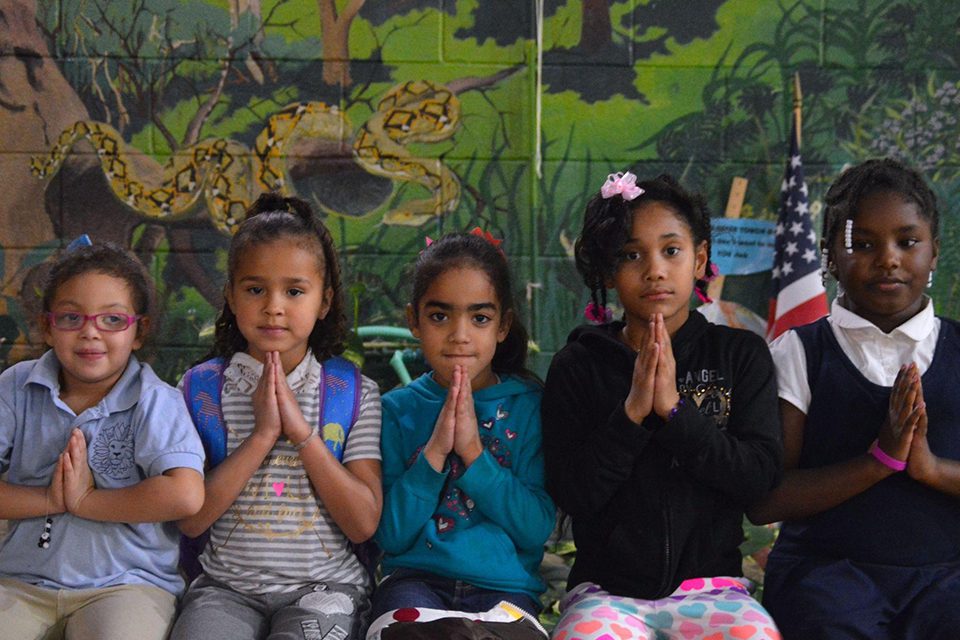
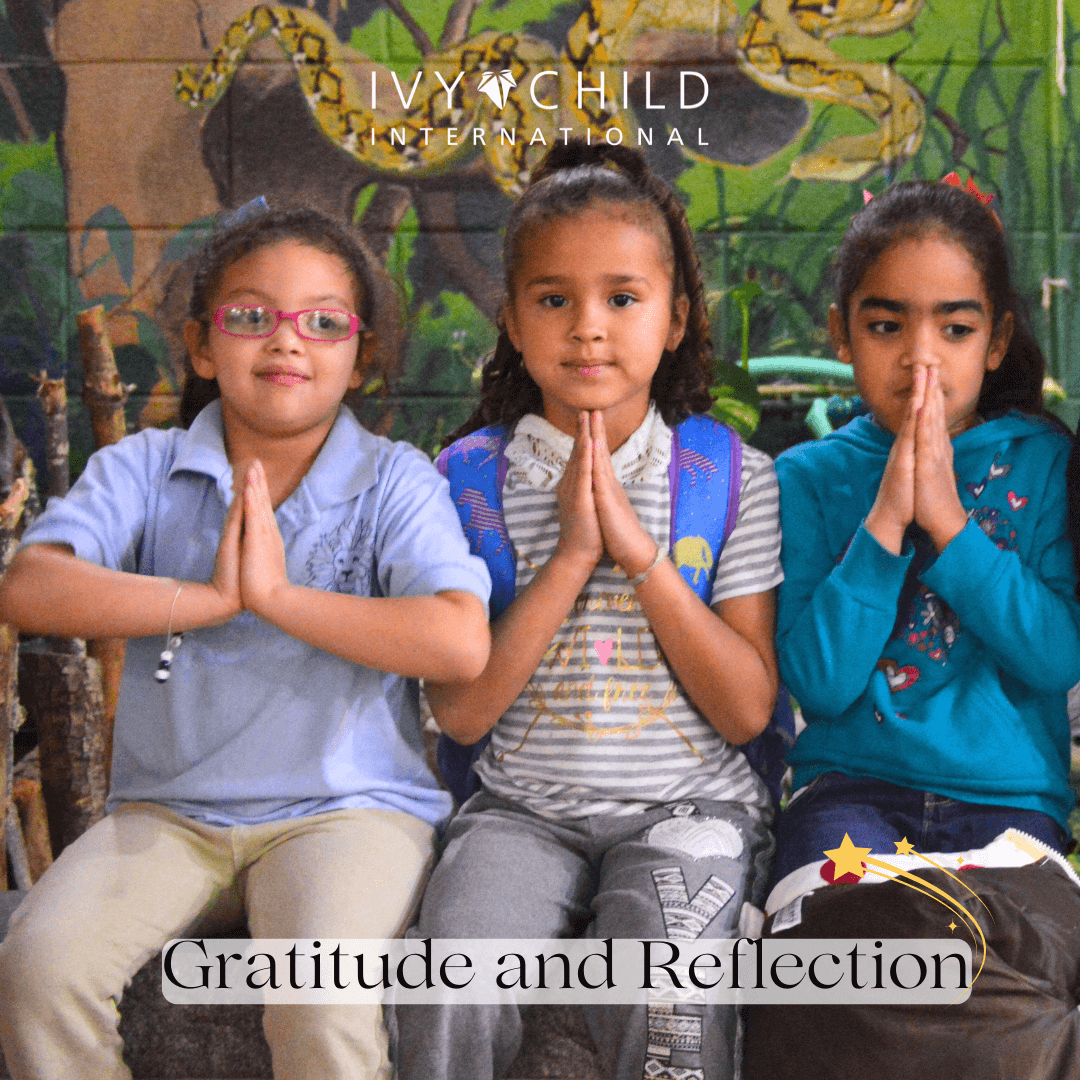
Three girls praying, gratitude, reflection.

We extend our heartfelt thanks to President Biden and Vice President Kamala Harris for their extraordinary leadership and historic progress in advancing equity, inclusion, and well-being for often overlooked populations including our Asian American, Native Hawaiian, and Pacific Islander (AA and NHPI) communities.

Under Executive Order 14031, the Biden-Harris Administration has driven critical advancements in combating anti-Asian hate, improving language access, promoting data disaggregation, and ensuring the health and safety of our communities.

We also honor the leadership of Executive Director Helen Hyunjung Beaudreau, whose unwavering dedication has been instrumental in these accomplishments. As Helen concludes her remarkable tenure, we are inspired to continue this vital work together.

📖 Explore Rising Together, WHIAANHPI’s final report to President Biden, showcasing these transformative achievements: https://bidenwhitehouse.archives.gov/wp-content/uploads/2025/01/WHIAANHPI-Report-to-the-President-Rising-Together-WH.pdf

With gratitude,

The Ivy Child International Team

Ivy Child🌟 Gratitude and Reflection 🌟